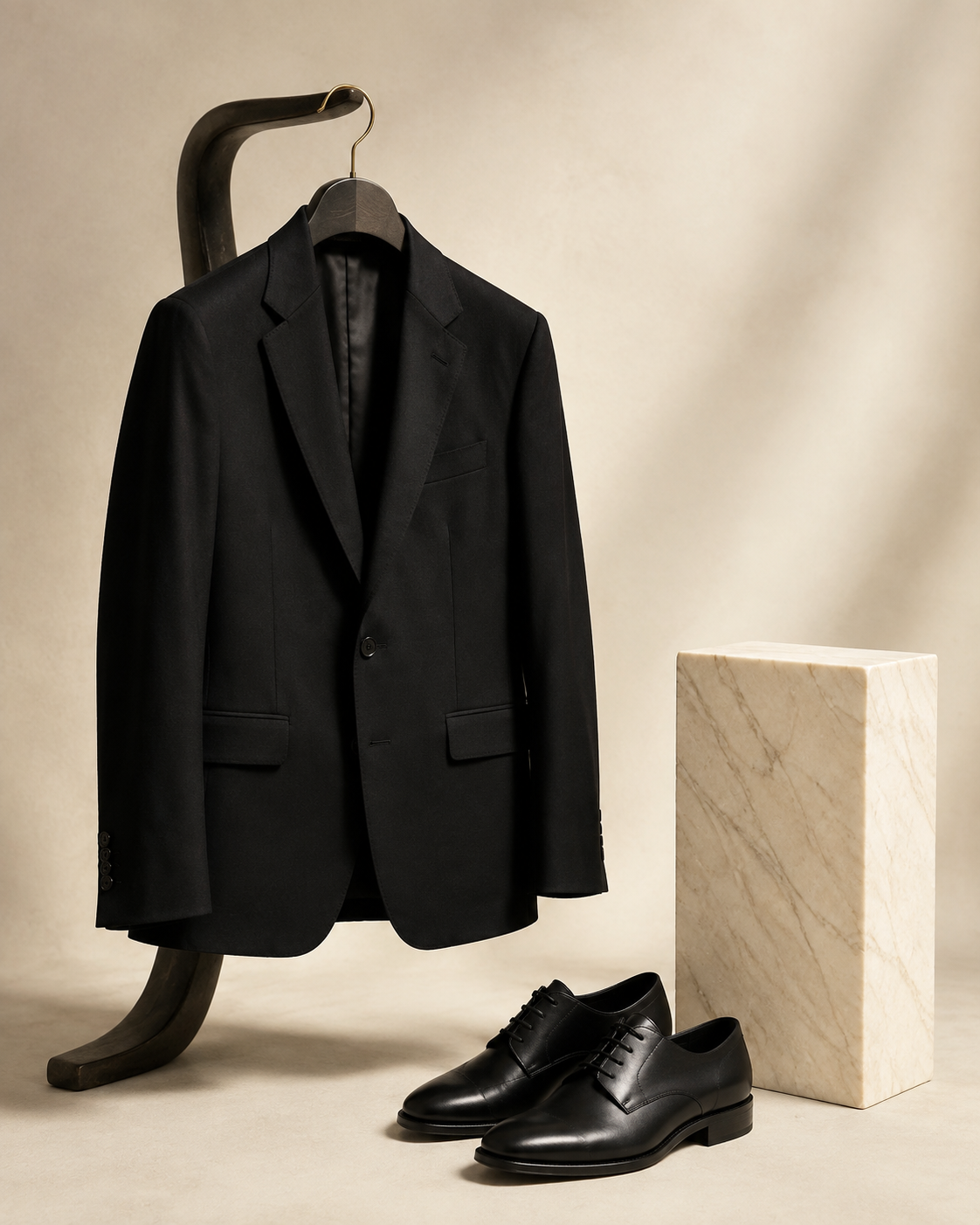
A forever piece is not simply an expensive object, and it is not automatically the most restrained item in the room. It is the piece that continues to make sense after novelty has left.
The most convincing luxury purchase creates a relationship between design and daily life. It earns its place through repeated use, not through the pressure of a logo or a launch date. Before buying, these are the five questions we return to.
Would you want it without the name?
Brand history can add meaning, but the object should still communicate something when the label is removed. Look first at proportion, line, texture, colour, and the way the piece changes an outfit. A strong design does not need constant explanation.
Does the material suit the life you actually live?
Delicate material is not necessarily poor material. The question is whether its care requirements match your habits. A beautiful finish that makes you afraid to use the piece is unlikely to become part of your life. Ask how it wears, cleans, stores, and responds to weather.
Can it be maintained?
Longevity depends on what happens after purchase. Replaceable soles, available hardware, accessible tailoring, and straightforward cleaning can matter more than a promise of timelessness. Before committing, understand what repair or maintenance is realistically available.
Can you name three ways you will wear it?
Versatility is not the same as neutrality. A distinctive piece can be highly wearable when it connects naturally with what you already own. Imagine three complete uses, including one ordinary day. If every scenario requires another purchase, the piece may not be solving the problem you think it is.
Is the full price clear?
The useful price includes more than the number on a product page. Currency conversion, duties, taxes, shipping, alterations, care, and return restrictions all shape the decision. Transparent pricing gives you the space to decide without turning aspiration into urgency.
Buy for the return, not the reveal.
The goal is not to eliminate pleasure or spontaneity from fashion. It is to make room for a deeper kind of pleasure: recognizing that the piece still feels like yours after the room has moved on.
This article is independent editorial content. No brand or retailer paid for inclusion.